Is Vietnam Safe for Indian Travellers in 2026? Scams, Traffic and Where to Stay

Vietnam is very safe for violent crime and very good at separating tourists from small amounts of money. Here are the scams that actually run, the traffic rule nobody explains, and which districts to book.
Quick answer: Vietnam is safe for Indian travellers, including solo women, with very low rates of violent crime against tourists. What you will meet instead is low-level commercial opportunism (taxi meters, note-swapping, inflated tourist prices) and genuinely dangerous traffic. None of it should put you off, and all of it is easier once you know the specific patterns.
Is Vietnam safe for Indian tourists?
Yes. Vietnam is one of the more comfortable destinations in Southeast Asia, and Indian travellers are increasingly common in Hanoi, Da Nang and Ho Chi Minh City. Violent crime against foreigners is rare.
The realistic risk list is short and unglamorous: road accidents, bag-snatching from motorbikes, and small scams. So put your attention in the right place. You are protecting your bag and your body in traffic, not worrying about your personal safety at night.
How do you cross the road in Vietnam?
This sounds like a joke question, but it is not. Traffic is the most likely thing to hurt you in Vietnam.
Motorbike flow in Hanoi and Ho Chi Minh City does not stop for pedestrians and often does not stop for signals. The technique, which locals will confirm, is to step out steadily and walk at a constant, predictable pace without stopping. The flow parts around you.
The dangerous instincts are the natural ones: freezing halfway, stepping back, or sprinting. All three make you unpredictable, and unpredictable is what causes a collision. Walk, do not run, and do not stop.
On bag-snatching, carry your bag on the side away from the road, and do not hold your phone loosely at the kerb. Snatches are done from moving bikes and are opportunistic.
What scams actually run in Vietnam?
Four, consistently:
Taxi meters. Unmetered or fast-running meters, mainly at airports and tourist areas. Use Grab, where the fare is fixed before you get in, or established companies like Mai Linh and Vinasun.
The note swap. Vietnamese notes of very different values look alike, and the 20,000 and 500,000 notes are the famous pair. A vendor accepts a large note, then produces a small one and claims you underpaid. Pay with counted notes, say the amount aloud, and keep denominations separate in your wallet. Our Vietnam currency guide covers the note-recognition problem properly, and it is worth reading before you land.
The shoe or cyclo "gift". Someone repairs your shoe or offers a ride, then demands a large fee. Decline unsolicited services clearly.
Tourist-price menus. This is not really a scam, just two-tier pricing. Ask the price before ordering, especially at street stalls with no displayed prices.
None of these is dangerous. All of them are annoying, and all of them are avoided by agreeing prices in advance.
Is Vietnam safe for solo female travellers?
Generally yes, and it is a popular solo destination. Standard precautions apply: watch your drinks in nightlife areas, use booked transport late at night, and prefer well-reviewed accommodation in central districts.
The level of harassment reported by solo women in Vietnam is typically lower than in several better-known destinations. The bigger practical issues remain traffic and bag security.
Where should you stay?
Hanoi: the Old Quarter for atmosphere and walkability, though it is noisy. The French Quarter and Ba Dinh are calmer and still central.
Ho Chi Minh City: District 1 for first-timers. It is central, walkable and well served. District 3 is quieter and close by.
Da Nang: the beachfront strip, which is relaxed and easy.
Hoi An: the Old Town and its edges. It is small enough that the choice barely matters.
Sapa: a different proposition entirely, and the overnight routing from Hanoi is what most itineraries get wrong. Our Sapa guide covers it.
As everywhere, a suspiciously cheap room is usually far from the centre or on a road you cannot comfortably walk along. Vietnam hotel prices for Indians gives the realistic bands.
Should you rent a motorbike?
Almost certainly not, unless you ride confidently at home and hold the correct licence.
Vietnam is a bad place to learn. Beyond the accident risk, riding without a licence valid for that class routinely voids travel insurance, which turns a scraped knee into an uninsured hospital bill. This is the single decision most likely to spoil a Vietnam trip.
The short version
Vietnam is safe. Respect the traffic, hold your bag on the inside, agree prices before you commit to anything, learn to tell a 20,000 note from a 500,000, and do not rent a motorbike on impulse. That really is the whole list.
Then plan properly: the Vietnam travel guide for regions, our 7-day itinerary with costs for a working route, and the e-visa guide before you book flights, because the approval locks in your port of entry.
If you would like help with any of it, tell us your dates. There is no pressure, and you can ask us anything first.
Need a hand with this?
Ask us anything about Vietnam. If you want a tour package quote, it is free and usually within 24 hours.
Your dates. Your budget. A trip planned around you.
Keep exploring
Vietnam Packages from India
More in Destination Guide


Glad this helped. Planning a Vietnam trip?
If you are getting ready to book, tell us your dates and city. A Trripah travel expert replies on WhatsApp with a clear tour package quote, usually within a few hours. No pressure, and you can ask us anything first.
- Vietnam family holiday · from ₹50,000 per person
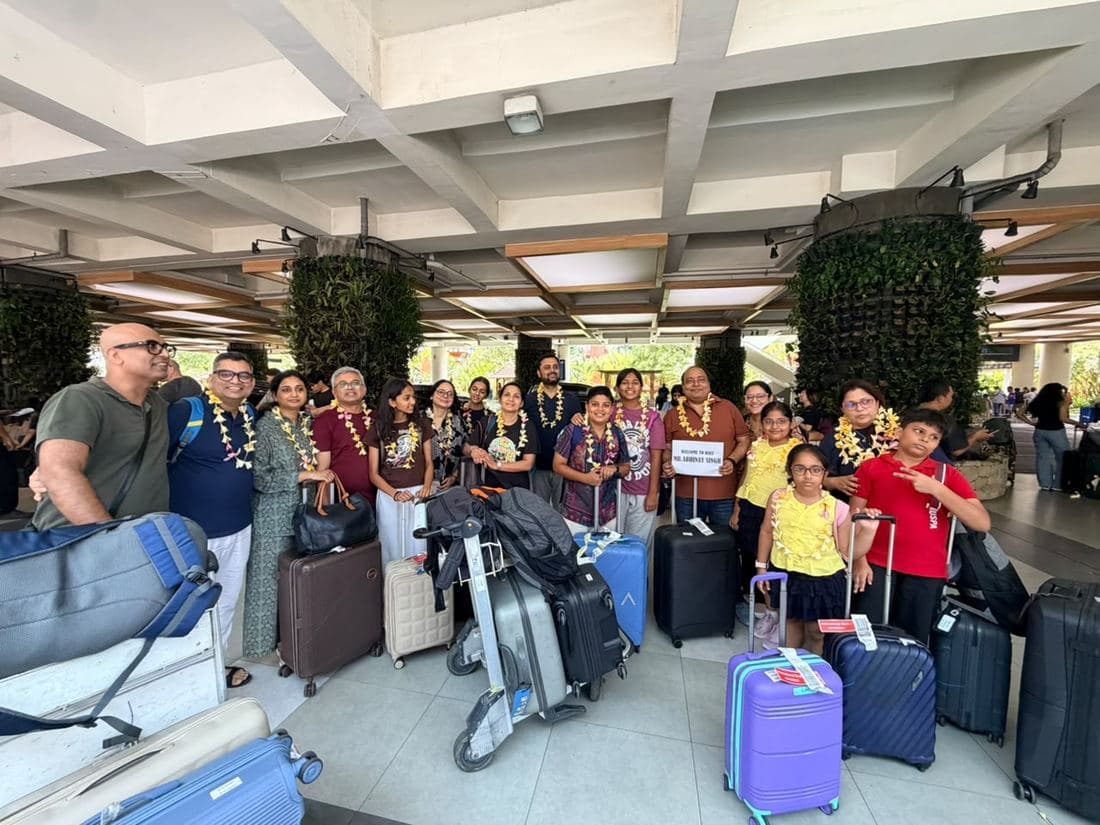
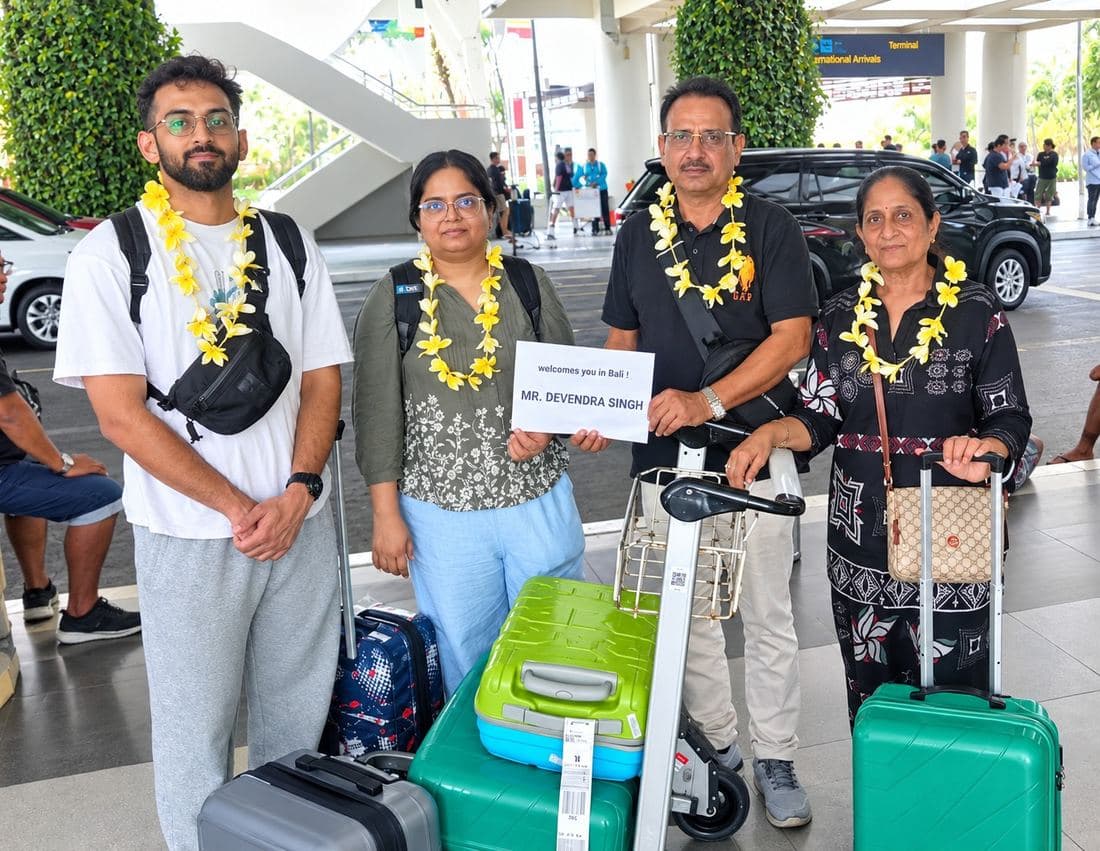
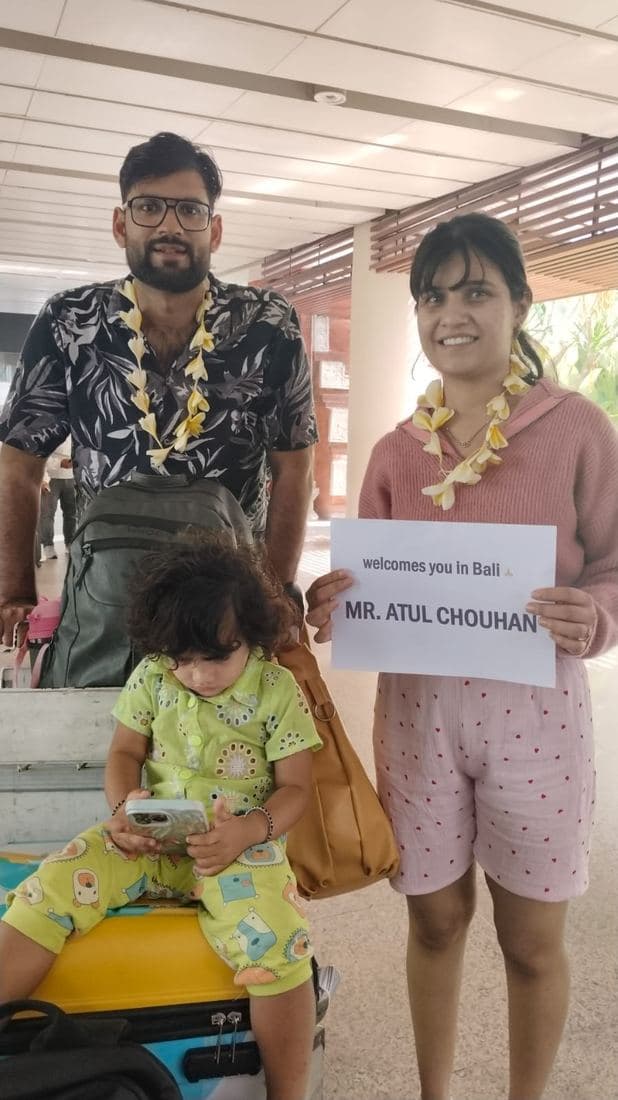
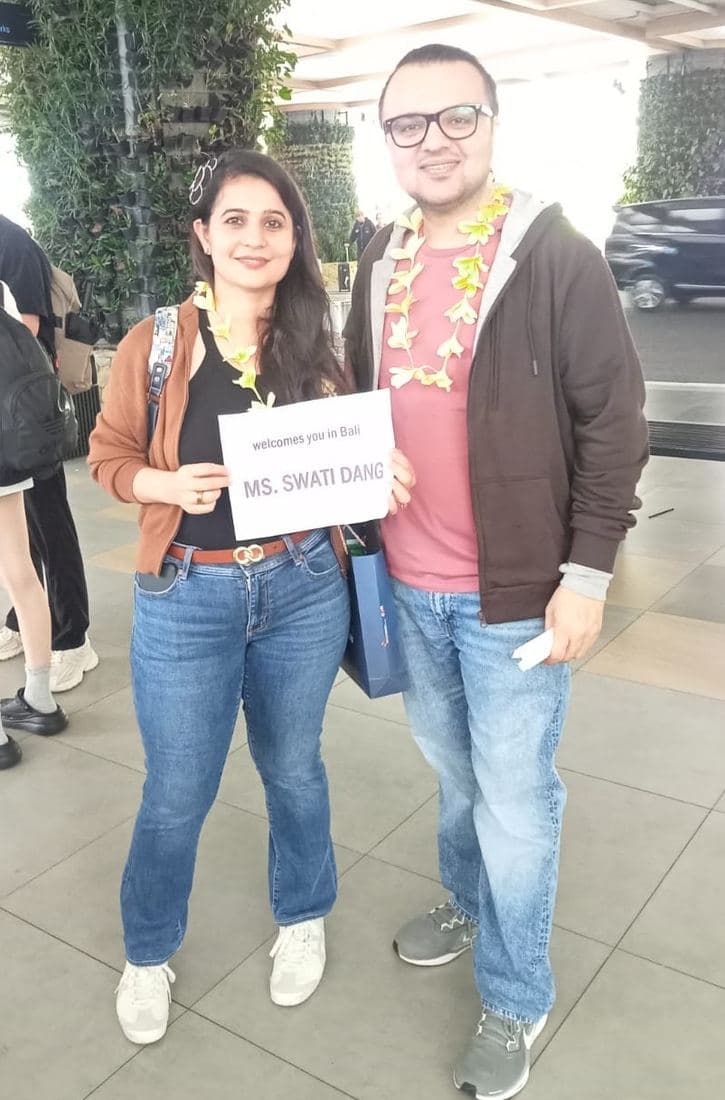
Real travellers. Welcomed at the airport.
Rated 4.9/5 from 156 verified reviews.