Capital City
Cairo
Province / Country
Cairo Governorate, Egypt
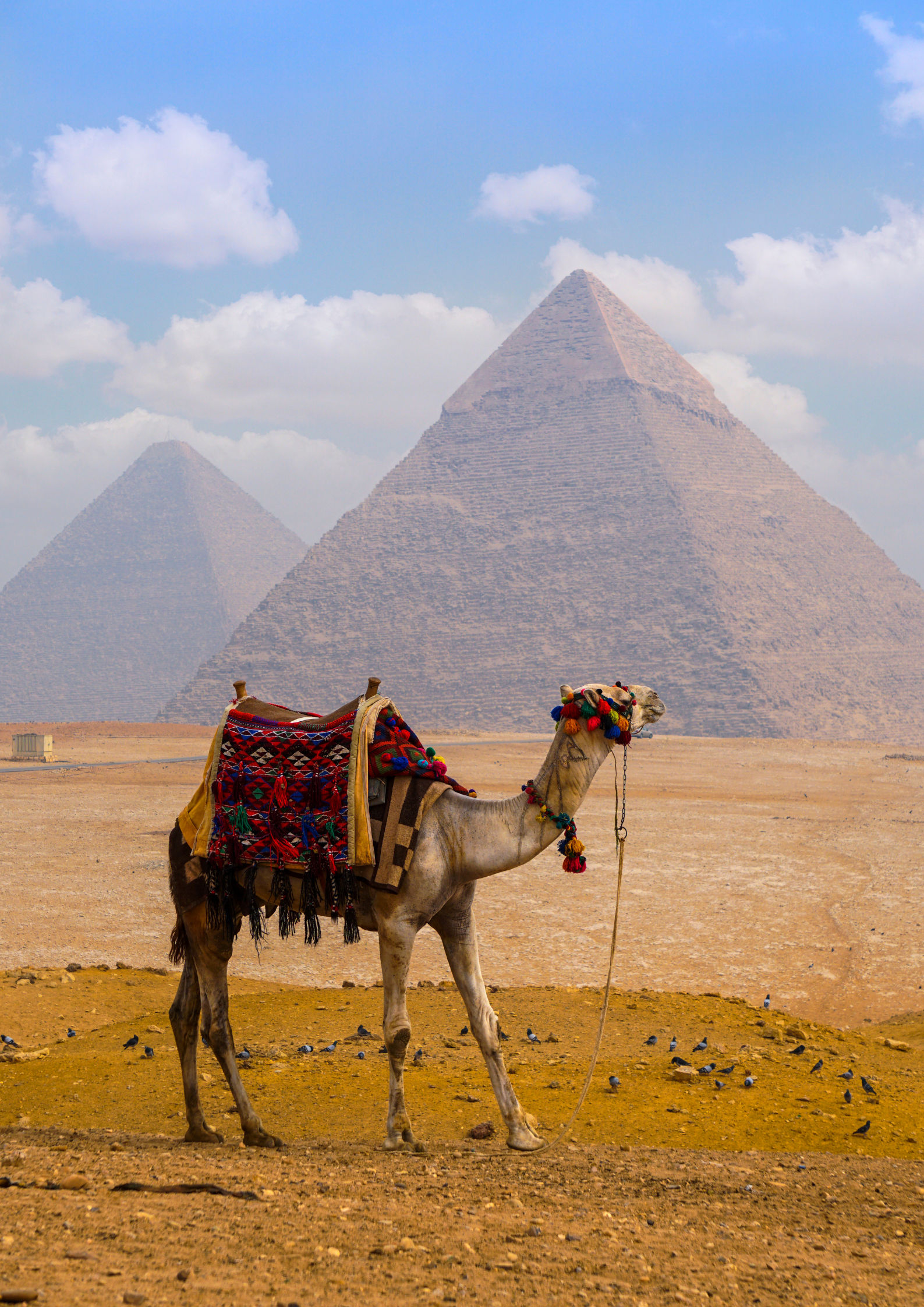
Cairo is the Arab world's largest city — a sprawling, chaotic, magnificent metropolis where pharaonic obelisks stand in traffic roundabouts and medieval minarets rise above apartment blocks. Islamic Cairo's Khan el-Khalili bazaar has traded continuously since the 14th century; the Egyptian Museum holds Tutankhamun's golden death mask. The Nile bisects it all, and from a rooftop at dusk the city's scale becomes almost incomprehensible.
Must-Know
What Egypt Is Famous For
The experiences, landscapes and moments that define a trip here.


Take Home
What to Shop in Egypt
From artisan workshops to open-air markets — things worth packing an extra bag for.
Papyrus Art
Genuine hand-painted papyrus (made from the same Cyperus papyrus plant Egyptians used 4,000 years ago) depicting pharaonic scenes — the Dr. Ragab Papyrus Institute in Cairo sells certified authentic papyrus, as opposed to the banana-leaf fakes sold in tourist shops.
Brass & Copper Lamps
Hand-hammered brass lanterns and copper trays engraved with geometric Islamic patterns are Cairo's most beautiful craft export. The coppersmiths' quarter (Sharia al-Muizz in Islamic Cairo) has workshops that have operated since the Ottoman era.
Kyphi Perfume & Essential Oils
Egypt's essential oil tradition dates to the pharaonic era — jasmine, lotus, rose and frankincense oils from the Aswan and Luxor markets are extraordinarily pure and cheap by Western standards. Alabaster perfume bottles carved in Luxor make elegant vessels for bringing them home.
Alabaster Sculptures & Carvings
Alabaster has been quarried near Luxor for 4,000 years — workshops in the Valley of the Kings area produce canopic jars, pharaonic busts and scarab beetles in the same material used in the original royal tombs. Heavier to transport than most souvenirs but genuinely beautiful.
Explore
Top Attractions in Egypt
The places everyone tells you to visit — and they're right.


Taste & Culture
Food, Rituals & Egypt's Soul
Eat with your hands. Watch the ceremony. Understand why people keep coming back.
“Egypt doesn't need to show off its history — it just exists within it. You eat beside a 1,000-year-old mosque in a market that's been running for 600 years and nobody thinks this is remarkable.”
Koshari
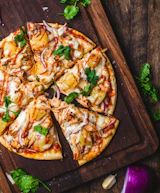
Egypt's street food king — lentils, macaroni, rice and chickpeas piled into a bowl then topped with spiced tomato sauce, crispy fried onions and a drizzle of garlic vinegar. A dish of multiple textures and flavours that costs less than ₹50 and fills an entire afternoon. Abu Tarek in Cairo is the legendary address.

Ful Medames
Egypt's national breakfast — slow-cooked fava beans mashed with olive oil, lemon, cumin and garlic, eaten with pita bread and hard-boiled eggs. The beans are soaked overnight and simmered from 3am; the best ful is served from ancient brass cauldrons at street carts that open before dawn.

Om Ali (Bread Pudding)
Egypt's national dessert — puff pastry or bread soaked in hot milk, layered with coconut, nuts and raisins, then baked until golden. Named for Ali's mother, it's rich, fragrant and completely comforting. Served at every Egyptian hotel breakfast, but best at a local ahwa (coffeehouse).

Hawawshi & Kofta
Hawawshi is minced spiced meat stuffed into bread and baked in a wood-fired oven — Egypt's most satisfying street snack. Kofta is the grilled variant — spiced minced lamb on skewers, served with tahini and Egyptian salad. Both are eaten standing at pavement carts after dark.

Feteer Meshaltet
Egypt's layered flatbread — dough folded over many times with butter or ghee between each layer, then baked in a wood oven until flaky and crispy. Eaten sweet (with honey and cream cheese) or savoury (with cheese and olives). Cairo's Islambouli bakeries have made it since the Ottoman period.
Before You Go
Essential Facts
Everything an Indian traveller needs before booking a Egypt trip.
Traveller Questions
Egypt — Frequently Asked Questions
Real questions from Indian travellers, answered by our Egypt experts.
Do Indians need a visa for Egypt?
What is the best time to visit Egypt?
What time of year should you avoid in Egypt?
How long is the flight to Egypt from India?
How much does a trip to Egypt cost from India?
How many days do you need in Egypt?
What is the weather like in Egypt?
What is Egypt known for?
What food should you try in Egypt?
Ready to Go?
Let's Build Your Egypt Trip — Your Way.
Share your travel dates and preferences. We'll send you a custom itinerary — for free, with no obligations.
Free trip planning consultation
Custom itinerary in 24 hours
Best price guarantee — no hidden charges
Visa guidance included
24/7 on-trip WhatsApp support
Plan My Egypt Trip
Free consultation · No spam · Response in under 4 hours
No obligation to book
More in Africa
Related Destinations


Plan Your Egypt Trip with Trripah
Tell us your dates and we'll build a custom Egypt itinerary with flights, stays & activities — free, within 24 hours.

 ×
×