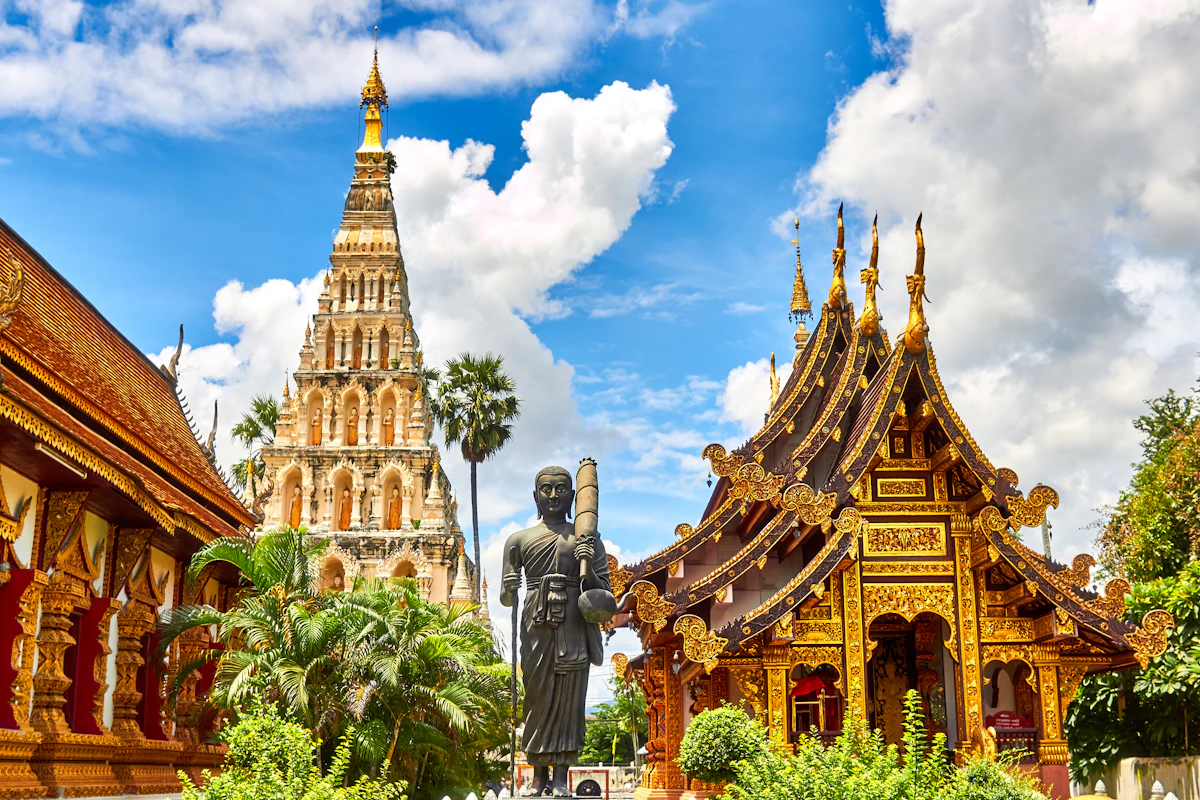
India-Japan Strategic Partnership 2026: Why the East Asia Circuit — Japan, South Korea, Taiwan — Is the Best International Trip Right Now

India and Japan have a Special Strategic Global Partnership with annual PM-level summits and a ¥5 trillion investment commitment. The yen remains weak, Japan's tourism infrastructure is increasingly India-aware, and South Korea and Taiwan are visa-accessible from the same trip. Here is why East Asia makes sense for Indian travellers in 2026.
India and Japan elevated their relationship to a Special Strategic Global Partnership in 2014 under PM Modi — a designation reserved for Japan's closest allies. Annual PM-level summits, a ¥5 trillion investment commitment, and joint infrastructure projects across South and Southeast Asia define a relationship that goes well beyond standard diplomatic positioning.
For Indian travellers, the output of this partnership is an air corridor that has become significantly more competitive, and a Japanese tourism industry that has begun developing specific India-facing infrastructure — halal food options, Hindi-language tour guides in major cities, and Indian-run guesthouses in the main tourist corridors.
Why Japan Makes Sense for Indians Right Now
The Japanese yen remains weak against the rupee by historical standards. In 2026, 1 INR buys approximately 1.6–1.7 JPY, compared to 1.3 JPY in 2022. This means Japanese restaurants, hotels, transport, and experiences are 15–20% cheaper for Indian travellers than they were two years ago — and Japan was already more affordable than most Indians expected.
Japan requires a visa for Indian passport holders, but processing through authorised agencies is now 4–6 working days with no interview and a clear document checklist. For a complete Japan travel guide including visa requirements, see our Japan destination page.
The East Asia Circuit: Japan + South Korea + Taiwan
The most efficient use of a 14-day international trip from India in 2026 is the East Asia circuit — three countries, compact geography, and experiences that contrast dramatically without the long-haul transit costs of Europe.
Japan (5–6 nights) — Tokyo for modern city life, Kyoto for temples and traditional culture, Osaka for food. The Osaka–Kyoto–Nara corridor is completable in 4 nights without feeling rushed. Mount Fuji as a day trip from Tokyo completes the standard circuit.
South Korea (3–4 nights) — Seoul is one of Asia's great cities. K-culture, Gyeongbokgung Palace, the DMZ, and a street food scene that rivals Vietnam. Indian students and young professionals increasingly choose South Korea as their first East Asian destination. See our South Korea travel guide for full itinerary options.
Taiwan (2–3 nights) — The underrated third stop. Taipei has some of Asia's best night markets, Japanese-influenced architecture, and day-trip accessible Taroko Gorge. Visa-free for Indian passport holders. See our Taiwan destination page.
What It Costs
A full 14-night Japan–South Korea–Taiwan circuit from Bangalore — all flights, 3-star hotels throughout, and inter-city transport — runs ₹2,20,000–2,80,000 for two. Japan alone for 7 nights runs ₹1,30,000–1,60,000 for two.
India-Japan Cultural Affinity
Japan's philosophical and aesthetic influence on India — through Buddhism, architecture, and the shared value placed on precision and craft — gives Indian travellers a specific kind of resonance in Kyoto and Nara that is different from what Europeans or Americans experience. The cultural curiosity runs in both directions: Japanese people are genuinely interested in India in a way that makes travel there surprisingly warm.
To build a custom East Asia itinerary or get current flight pricing, WhatsApp our travel team or start planning here.
Ready to plan?
Custom Japan package — quote in 24hrs
Your dates. Your budget. A trip planned around you.
Explore Destination
Japan Packages from India